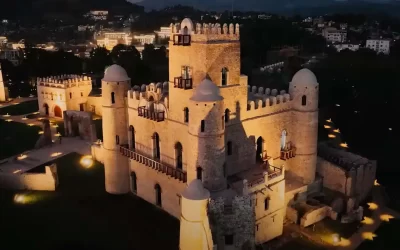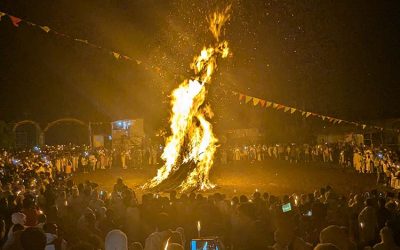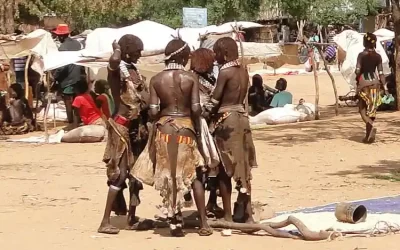
Ethiopia is often known internationally for its ancient churches, historical sites and cultural diversity, but it is also one of Africa’s most varied trekking destinations.
Mountains Without One Single Experience
Trekking in Ethiopia can mean:
- walking along the escarpments of the Simien Mountains;
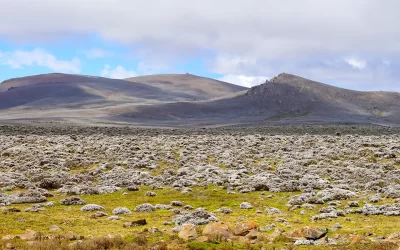
- searching for Ethiopian wolves on Bale’s Afro-alpine plateau;
- climbing to remote churches in Gheralta;
- hiking through the highlands surrounding Lalibela;
- descending into Wenchi’s volcanic caldera;
- exploring forest trails close to Addis Ababa.
Few countries offer this combination of mountains + wildlife + history + living culture within one trekking trip.
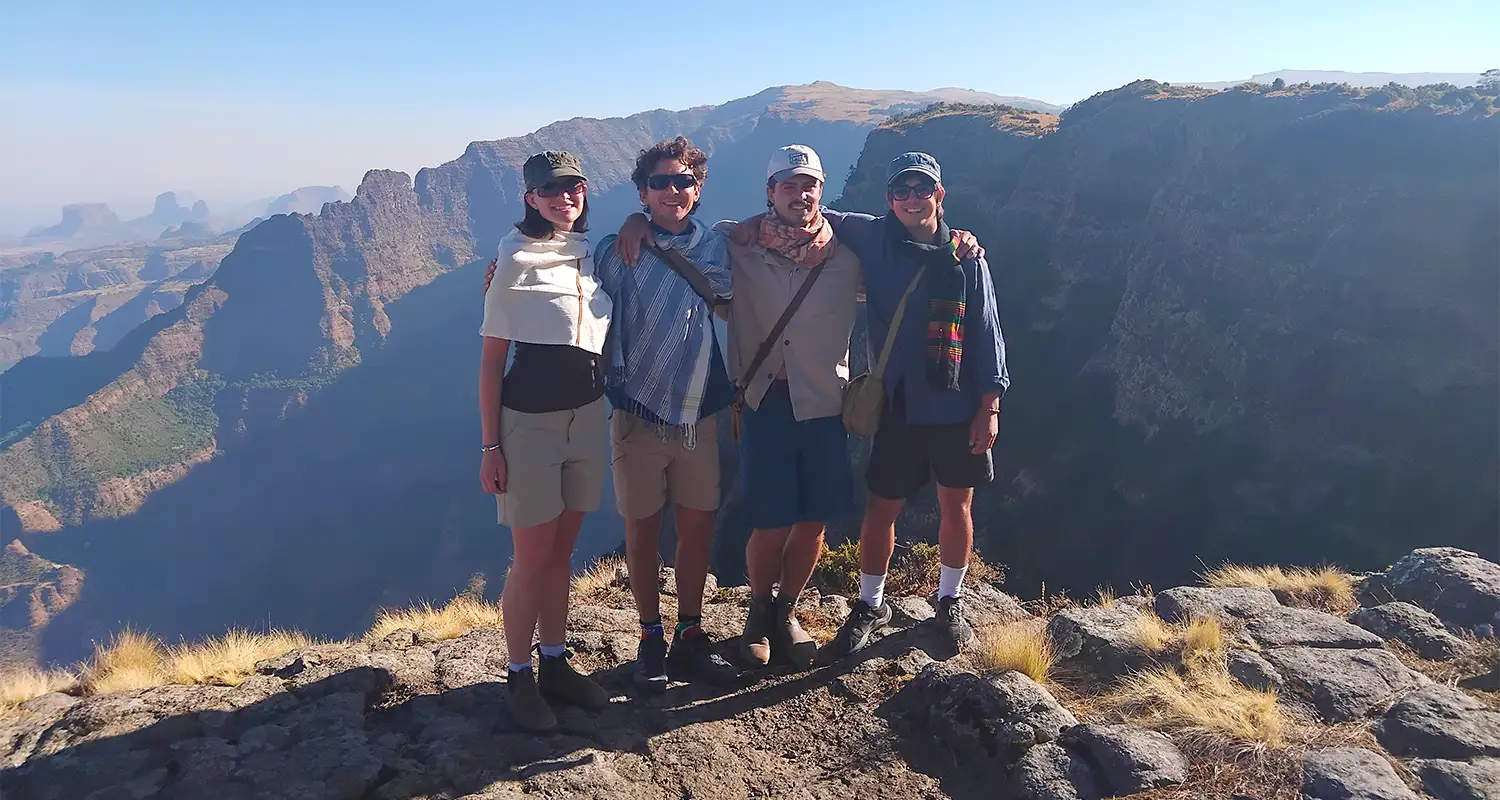
High-Altitude Landscapes
Ethiopia contains numerous peaks above 4,000 metres.
Ras Dejen reaches around 4,543 metres in the Simien Mountains, while Tullu Dimtu rises to 4,377 metres in Bale.
Endemic Wildlife
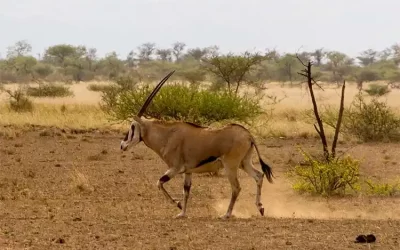
Trekking can provide opportunities to see animals found nowhere else or almost nowhere else, including:
- Walia ibex;
- Ethiopian wolf;
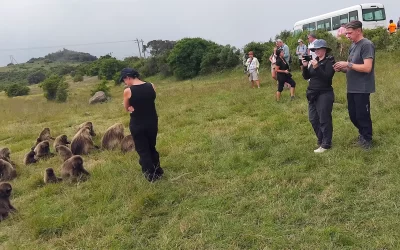
- geladas;
- mountain nyala;
- Bale monkey.
Trekking Through History
- In Ethiopia, hiking is often inseparable from human history.
- Gheralta routes lead toward rock-hewn churches.
- Lalibela walks connect sacred sites and rural communities.
- Northern routes pass landscapes that have supported communities for centuries.
Less-Crowded Trails
Compared with many globally famous trekking destinations, much of Ethiopia still receives relatively modest international hiking traffic.
That gives many routes a distinctly local character.
Trekking for Different Timeframes
You do not need two weeks.
Ethiopia offers:
- half-day walks;
- day hikes;
- weekend treks;
- 3–7 day mountain routes;
- longer expeditions.
Combine Trekking with the Rest of Ethiopia
A mountain itinerary can easily become part of a wider journey.
Examples include:
- Simien + Gondar + Lalibela
- Bale + Southern Ethiopia
- Gheralta + Aksum + Lalibela
- Wenchi + Addis Ababa
Frequently Asked Questions
What is Ethiopia’s best trekking destination?
Simien is the classic choice for dramatic mountain scenery. Bale is exceptional for wildlife and ecological diversity.
Do I need mountaineering experience?
No. Most standard hiking itineraries do not require technical climbing skills.
Can beginners trek in Ethiopia?
Yes, provided the route is matched to their fitness and experience.