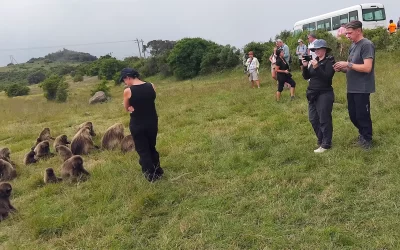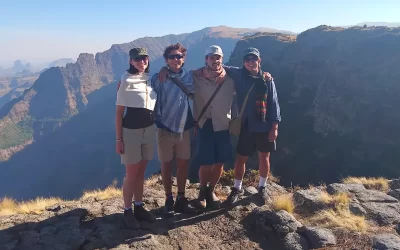
Bale is one of Ethiopia’s greatest natural destinations but is often overshadowed internationally by the Simien Mountains.
That makes it particularly rewarding for travelers interested in wildlife, remote landscapes and ecosystem diversity.
1. UNESCO World Heritage
Bale Mountains National Park was inscribed on UNESCO’s World Heritage List in 2023 because of both its extraordinary landscapes and biodiversity.
2. Exceptional Wildlife
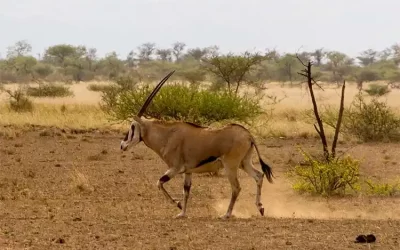
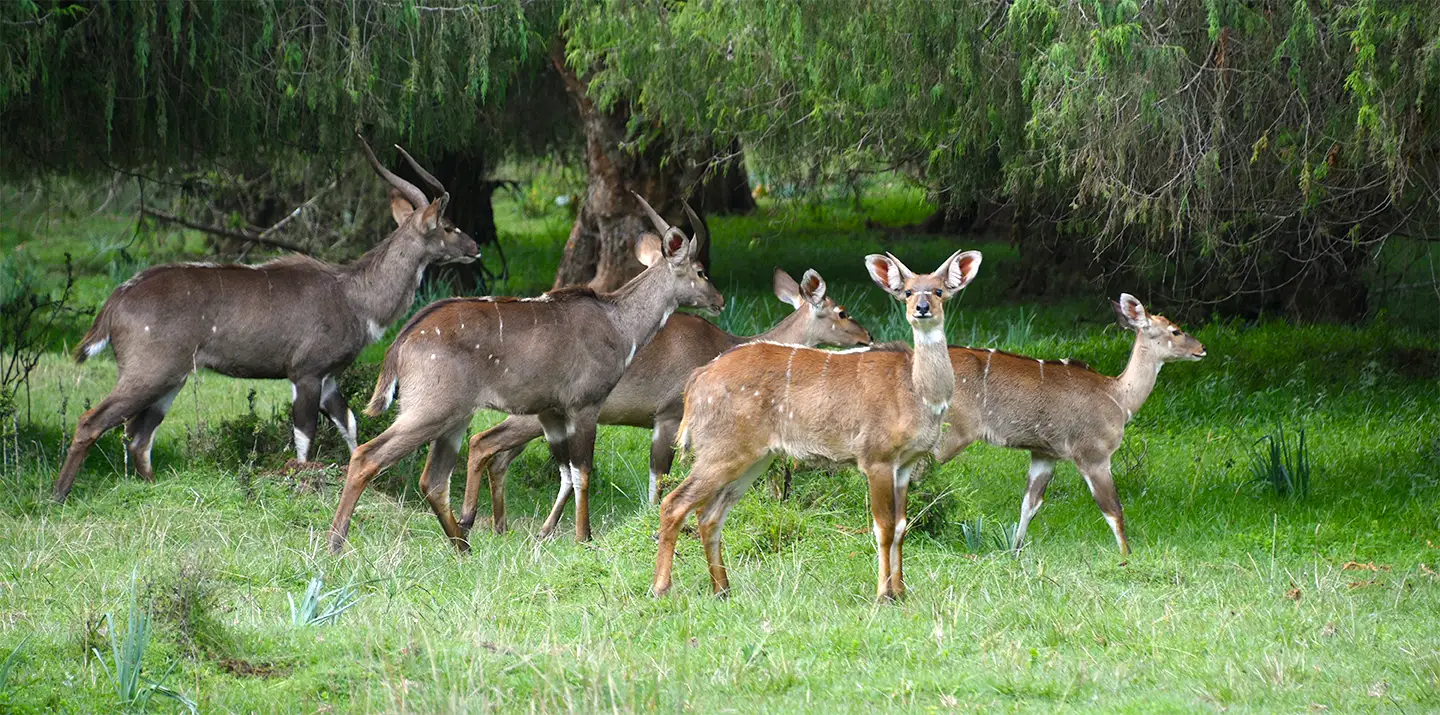
Bale contains the most important remaining population of the Ethiopian wolf and is also associated with endemic species such as mountain nyala and Bale monkey.
3. Tullu Dimtu
At 4,377 metres, Tullu Dimtu is Ethiopia’s second-highest mountain.
Its setting on the Sanetti Plateau makes it accessible within one of Africa’s most remarkable high-altitude ecosystems.
4. Sanetti Plateau
The plateau contains vast Afro-alpine moorlands, wetlands, rocky formations and giant lobelias.
For wildlife and landscape photography, it is one of the most distinctive environments in Ethiopia.
5. Harenna Forest
Few mountain destinations offer such a dramatic environmental transition.
From the high plateau, the mountains descend toward Harenna Forest, producing an enormous altitudinal gradient and radically different habitats.
6. Hiking for Different Travelers
Bale can be explored through:
- short walks around Dinsho;
- wildlife excursions;
- vehicle-assisted Sanetti visits;
- multi-day hikes;
- longer trekking routes.
The official tourism authority notes that longer hiking routes from Dinsho can range from roughly two to eleven days.
7. Bale and Simien Are Complementary
Travelers sometimes ask which one they should visit.
If time allows, they are not substitutes.
Simien: cliffs, escarpments, classic trekking, Ras Dejen.
Bale: wildlife, plateau, forest, Tullu Dimtu, ecological diversity.
Both are UNESCO natural World Heritage properties.