Bale Mountains – Trekking, Wildlife & Travel Guide
The Bale Mountains offer one of Ethiopia’s richest combinations of trekking, wildlife and high-altitude scenery.
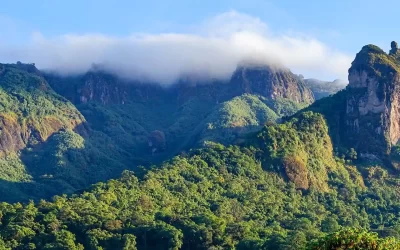
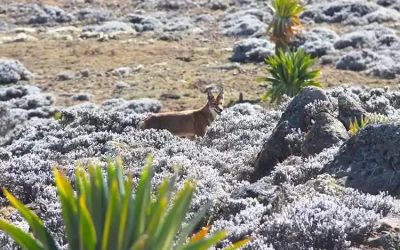
Bale Mountains National Park became a UNESCO World Heritage Site in 2023. Its landscapes range from high Afro-alpine plateau and volcanic peaks to forests, wetlands, valleys and the Harenna Forest. The park contains Tullu Dimtu at 4,377 metres, Ethiopia’s second-highest mountain, and one of the world’s most important remaining populations of Ethiopian wolf.
Why Visit Bale?
Bale is especially rewarding for:
- trekking;
- Ethiopian wolf viewing;
- birding;
- mountain nyala;
- Sanetti Plateau landscapes;
- high-altitude walking;
- Harenna Forest;
- nature photography.
Dinsho
Dinsho serves as an important northern gateway to the park and is a good starting point for walking and wildlife viewing.
Sanetti Plateau
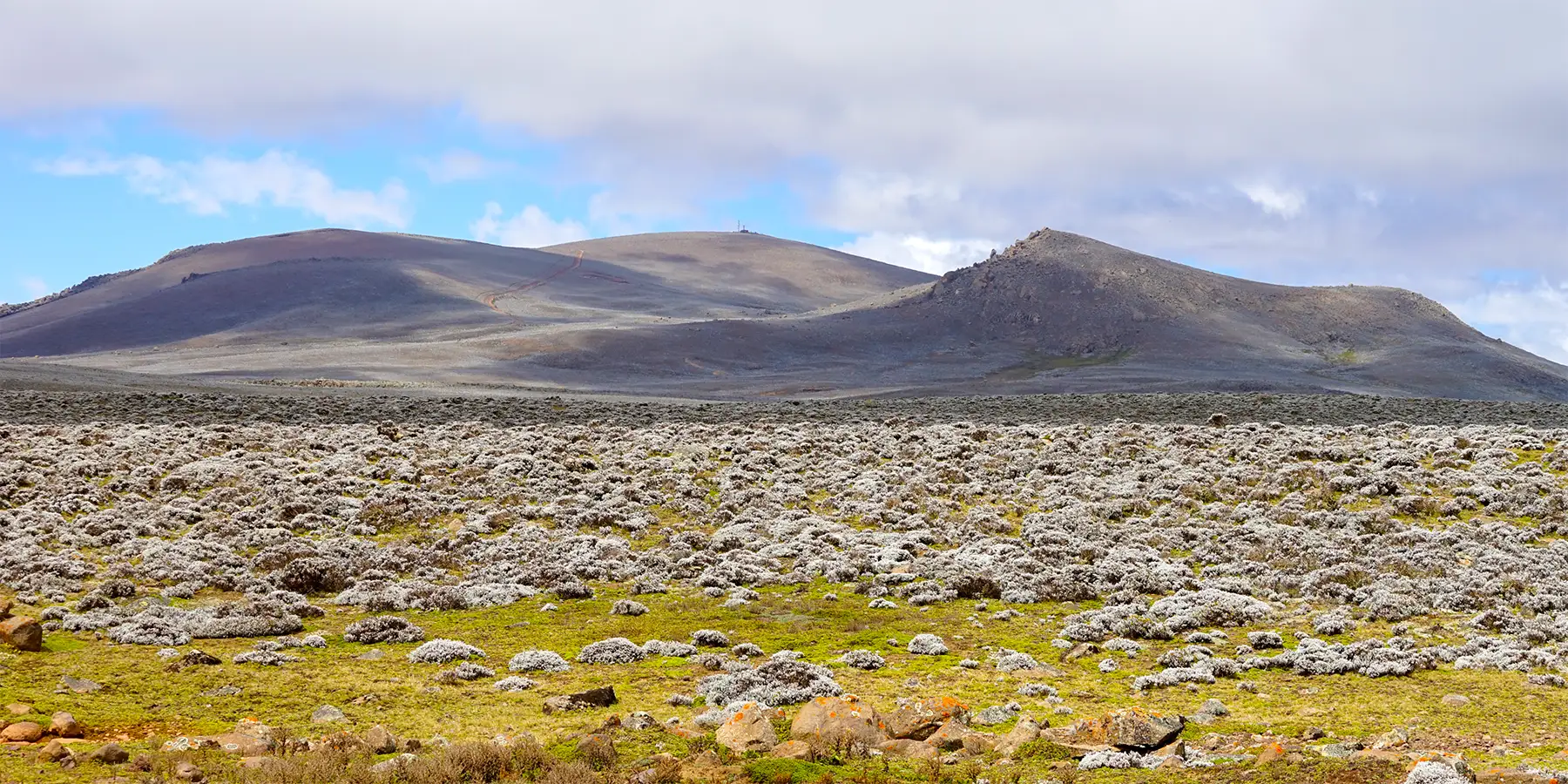
The Sanetti Plateau contains some of Ethiopia’s highest landscapes and extensive Afro-alpine habitat.
Giant lobelias, open moorland and volcanic peaks create scenery quite different from the cliff-dominated Simien Mountains.
Tullu Dimtu
At 4,377 metres, Tullu Dimtu is the highest point in the Bale Mountains and Ethiopia’s second-highest peak.
Harenna Forest
Descending south from the plateau brings travelers into a completely different ecosystem.
The Harenna Forest adds dense woodland, bamboo and moist forest environments to a Bale itinerary.
How Many Days?
- 2–3 days: introduction to Dinsho/Sanetti.
- 4–5 days: good combination of wildlife and trekking.
- 6+ days: deeper multi-day hiking experience.
Bale FAQs
Which is better, Simien or Bale?
Neither is universally better. Simien is particularly famous for enormous escarpments and classic mountain trekking, while Bale offers extraordinary ecological diversity and arguably stronger Ethiopian-wolf opportunities.
Can I climb Tullu Dimtu?
Yes. The peak is accessible within the high Sanetti landscape and is much less technically demanding than its altitude might suggest.
Do I need to camp?
Not necessarily. Some Bale itineraries can combine vehicle access, lodges and day hiking; longer trekking routes may use camps.