Simien Mountains – Trekking, Wildlife & Travel Guide
The Simien Mountains are Ethiopia’s premier mountain destination and one of Africa’s most dramatic highland landscapes.
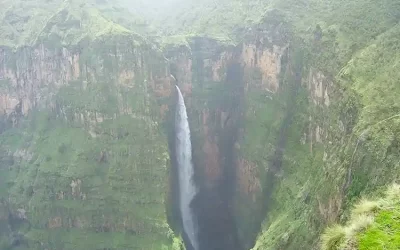
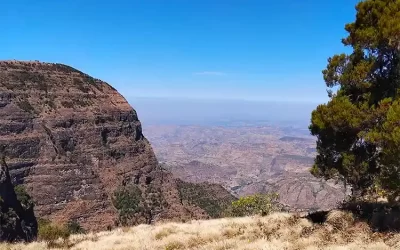
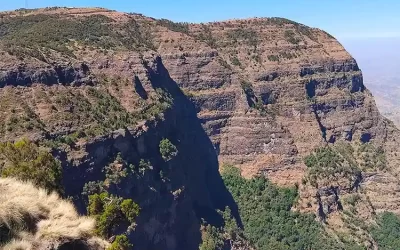
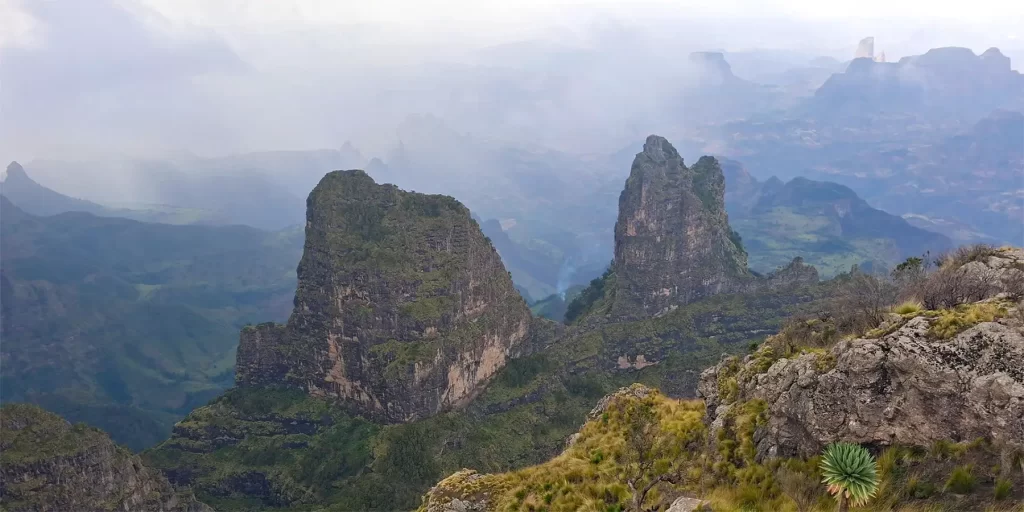
Millions of years of erosion have shaped the plateau into jagged peaks, enormous valleys and escarpments that can drop around 1,500 metres. Simien National Park has been a UNESCO World Heritage Site since 1978 and supports globally significant wildlife including Walia ibex, geladas and Ethiopian wolves.
For Ethiopia Trek and Tour, the Simien Mountains are particularly important. Our company is based in Debark—the principal gateway to the national park—and our founder grew up in the surrounding highlands.
Why Visit the Simien Mountains?
Travelers come for:
- multi-day trekking;
- exceptional mountain scenery;
- endemic wildlife;
- Ras Dejen, Ethiopia’s highest mountain;
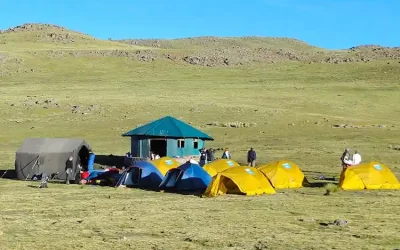
- camping;
- photography;
- highland communities;
- short scenic walks.
Main Trekking Areas
Common trekking routes can include Sankaber, Geech, Imet Gogo, Chenek, Bwahit Pass and Ras Dejen, depending on the duration and difficulty of your itinerary.
Wildlife
The Simien ecosystem is internationally important for threatened and endemic wildlife.
The most iconic species include:
Walia ibex – an endemic mountain goat strongly associated with the Simien cliffs.
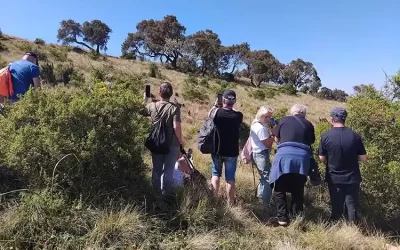
Gelada – large groups can often be observed feeding on the highland grasslands.
Ethiopian wolf – much rarer, with sightings never guaranteed.
How Many Days Do You Need?
- 1 day: scenic introduction from Gondar/Debark.
- 2–3 days: short trek with major viewpoints and wildlife opportunities.
- 4–6 days: a deeper trekking experience.
- 8–10+ days: suitable for extended routes and Ras Dejen summit itineraries.
Getting There
Debark is the gateway town for the national park and lies around 100 km from Gondar. Ethiopia’s official tourism information identifies Gondar as the nearest airport for most Simien visits.
Simien Mountains FAQs
Are the Simien Mountains suitable for beginners?
Yes, if you choose an appropriate route. Short treks can be adapted for reasonably active travelers.
Do I need to camp?
Not for every itinerary, although camping is common on longer treks.
Can I climb Ras Dejen?
Yes. It is normally included within longer trekking itineraries and requires good fitness.
Are wildlife sightings guaranteed?
No, but geladas are commonly encountered on many routes. Walia ibex and Ethiopian wolves are less predictable.